Business logic across payment and auth flows
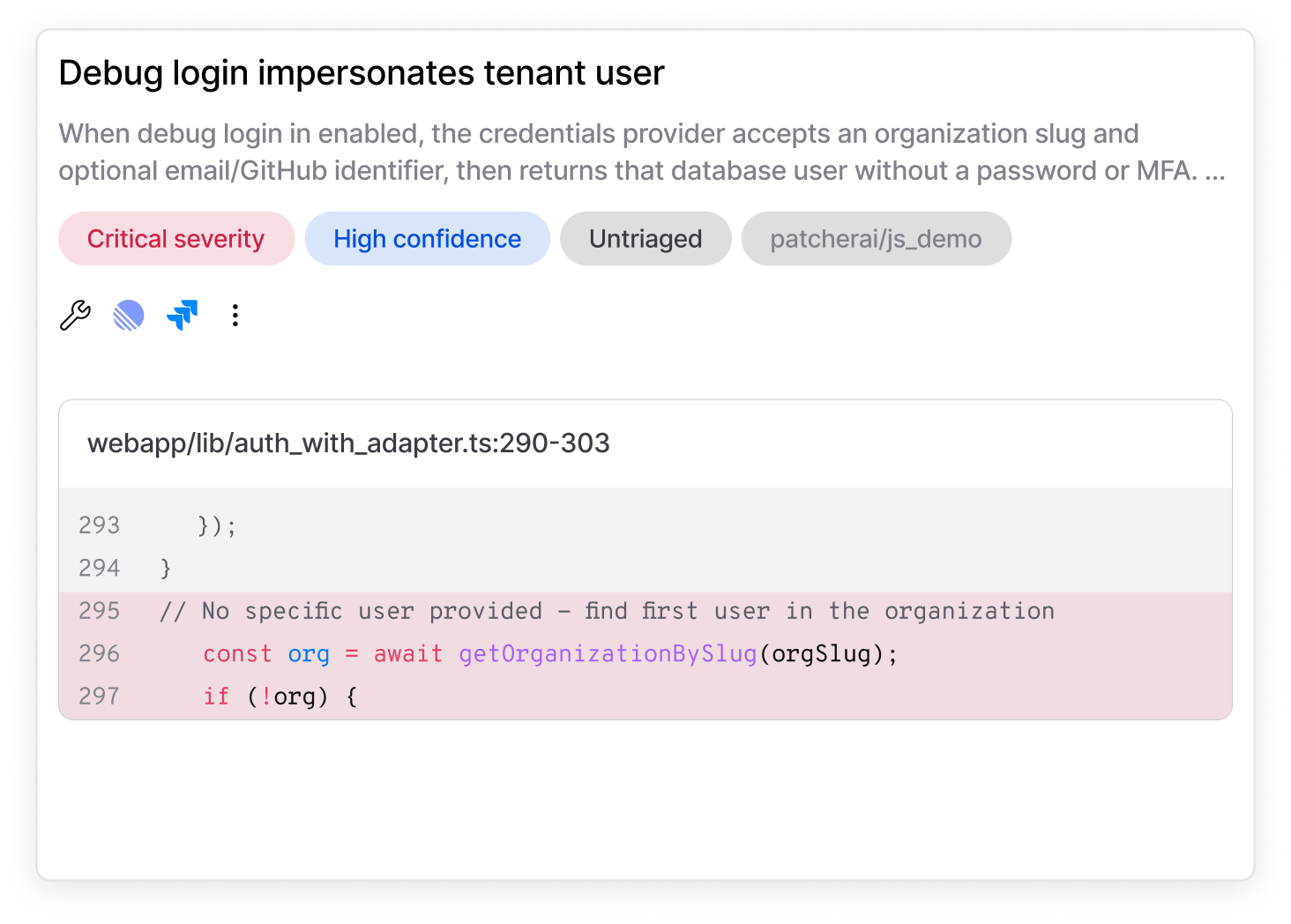
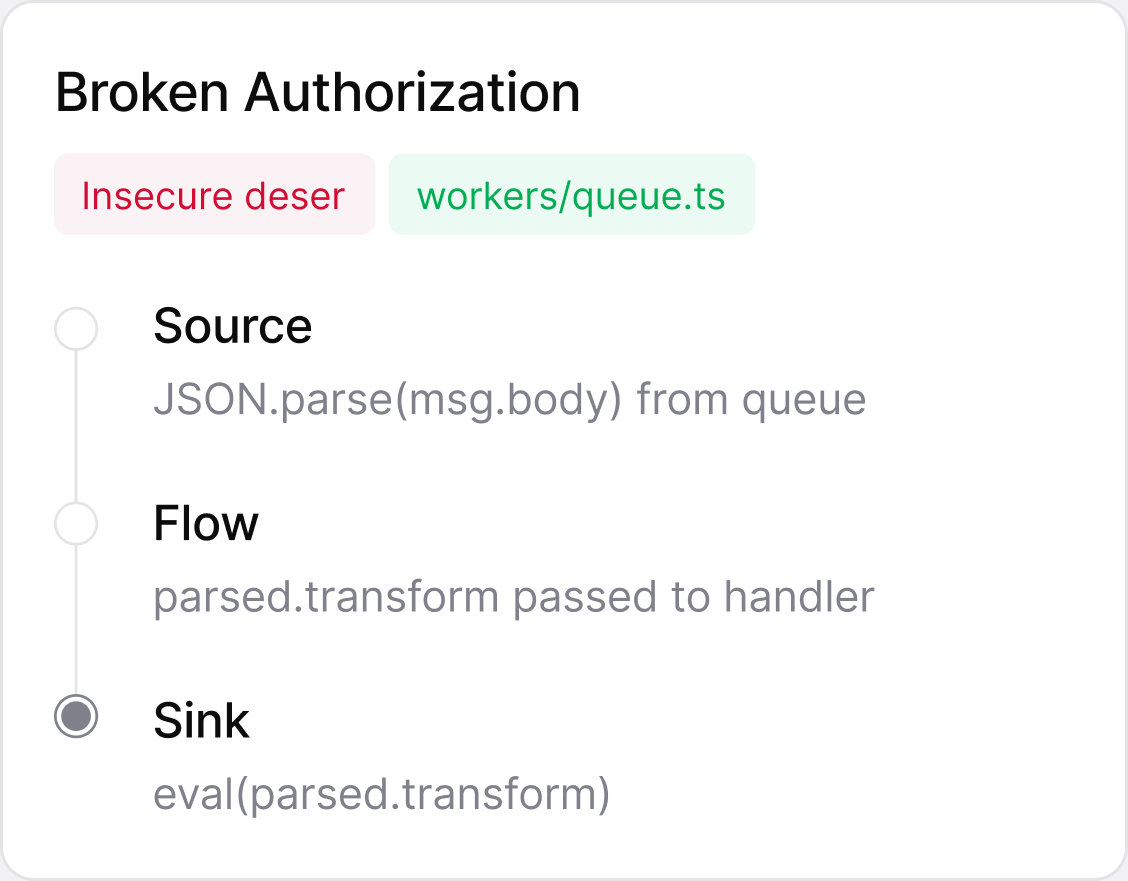
Catches broken authorization, cross-account access, replay races, and privilege escalation across Java, Kotlin, .NET, Go, Node.js, and legacy financial backends that rule-based scanners miss.
BANKS & FINANCIAL INSTITUTIONS
Ajar finds and proves business-logic, authorization, and dependency flaws across core banking, payments, and Open Banking / Open Finance APIs — running inside your own VPC with audit-ready remediation evidence.
Catches broken authorization, cross-account access, replay races, and privilege escalation across Java, Kotlin, .NET, Go, Node.js, and legacy financial backends that rule-based scanners miss.
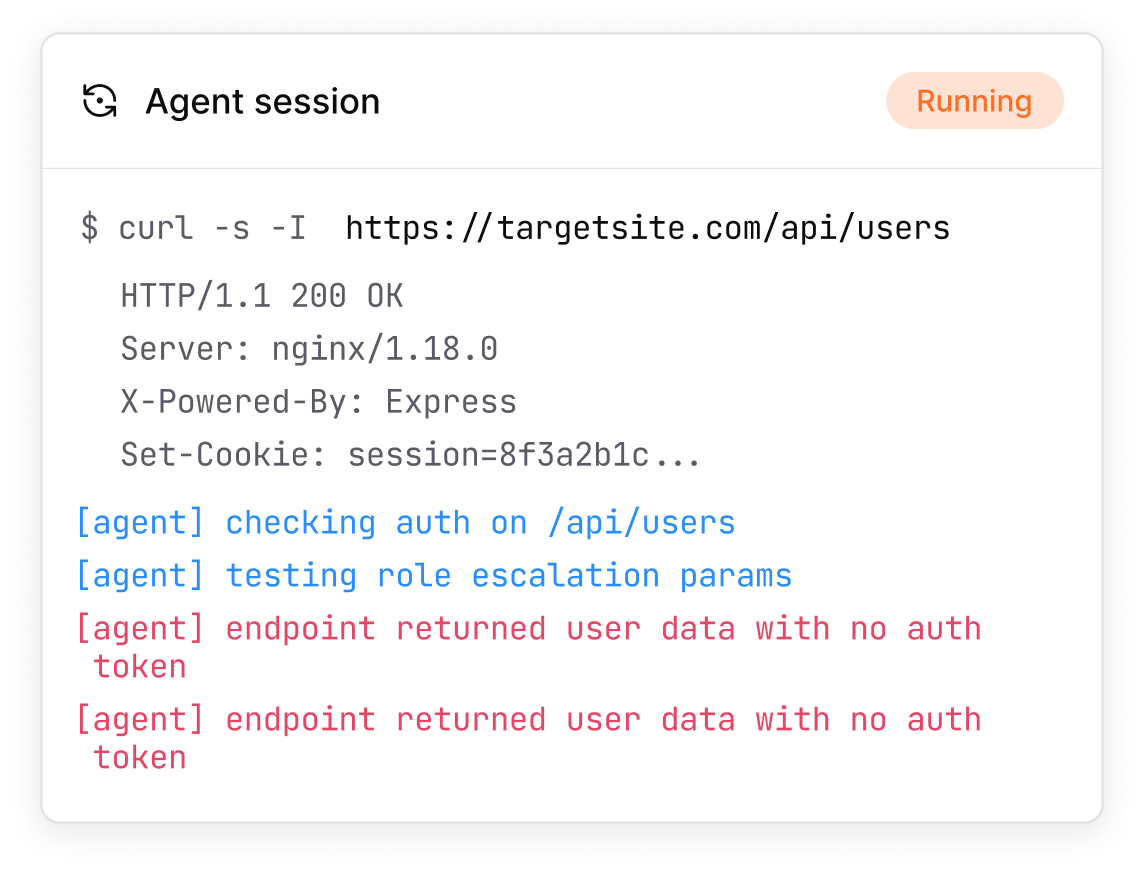
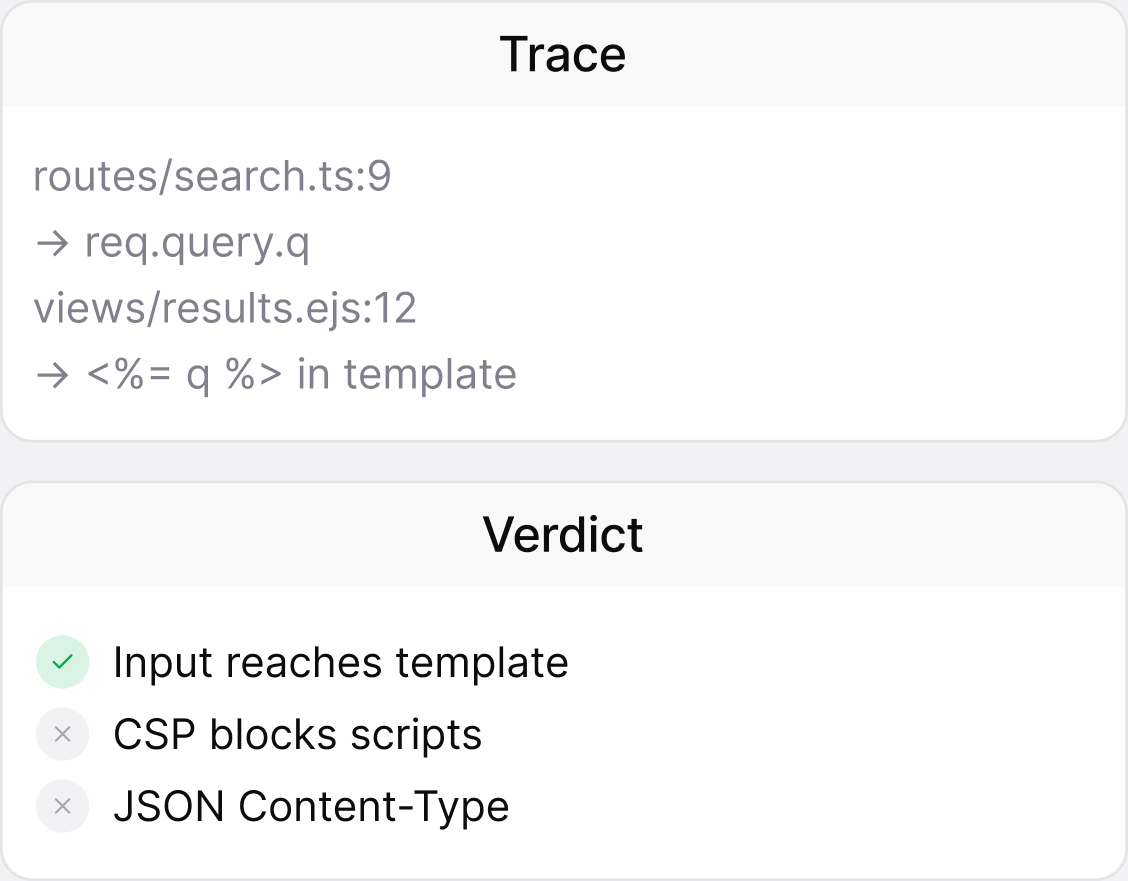
Your teams already juggle thousands of unverified scanner tickets. Ajar challenges every lead and reproduces real exploitability in an isolated sandbox before creating a single ticket or PR.
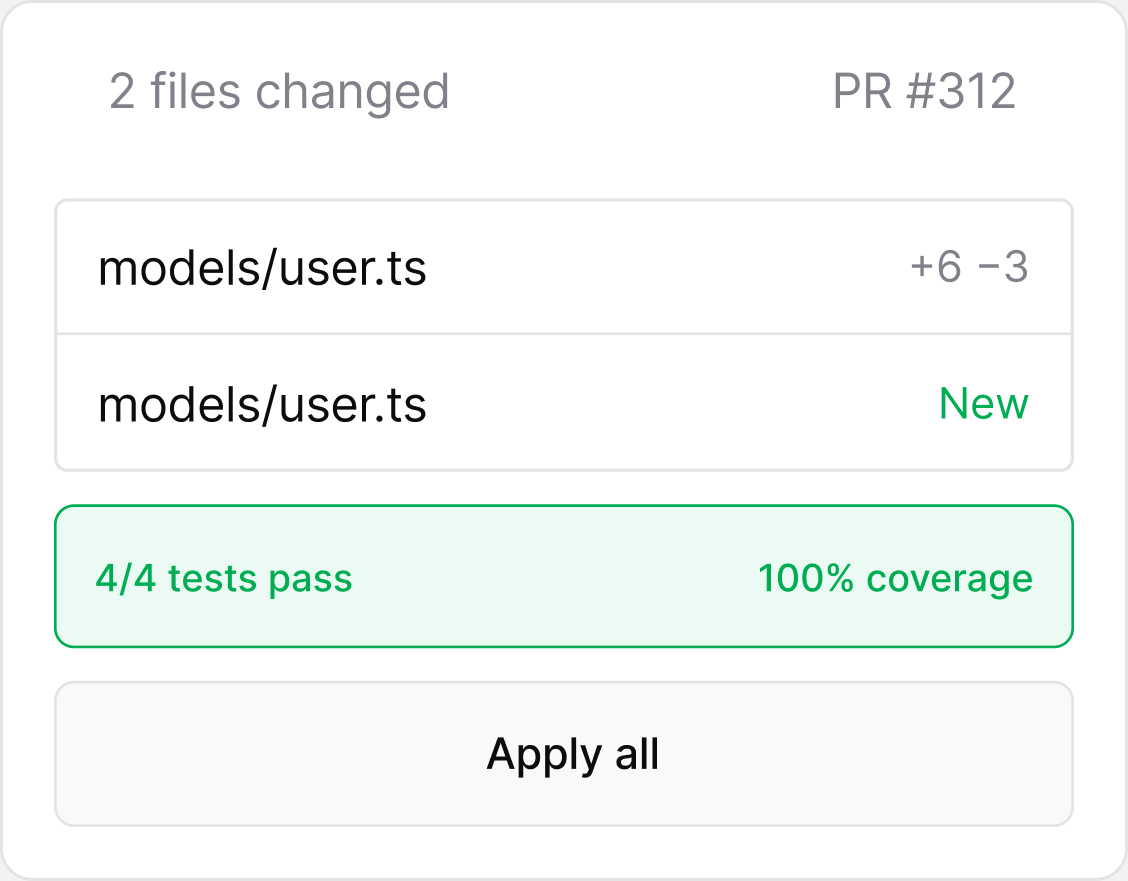
Annual pentests snapshot one week a year. Ajar runs continuously on every release, writes minimal patches matching your conventions, and re-tests every fix against bypass attempts.
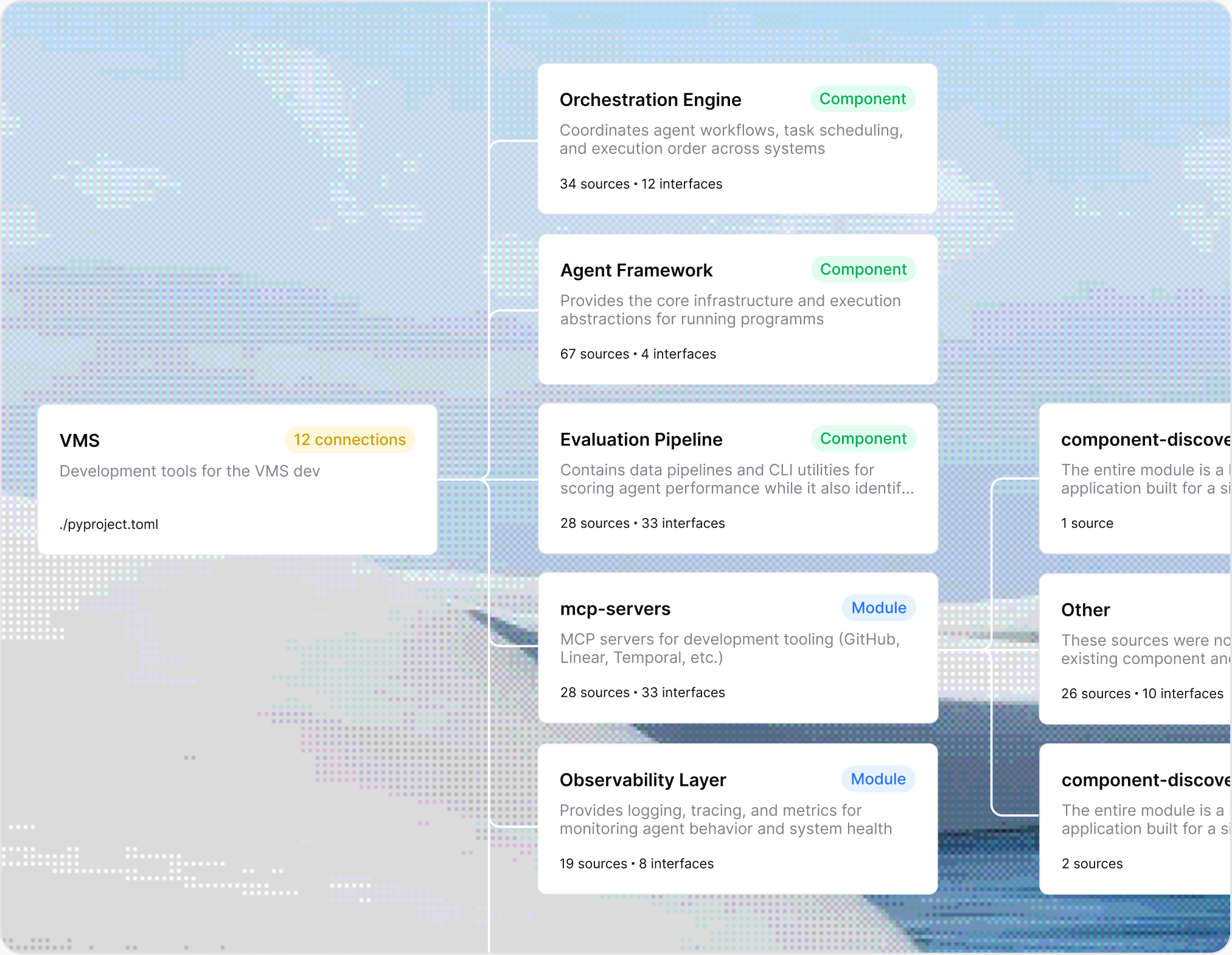
Real banking incidents happen in the seams between gateways, payment rails, Open Banking / Open Finance adapters, and internal microservices. Ajar builds a working graph of your codebase so changes in one repository are checked against downstream trust boundaries.
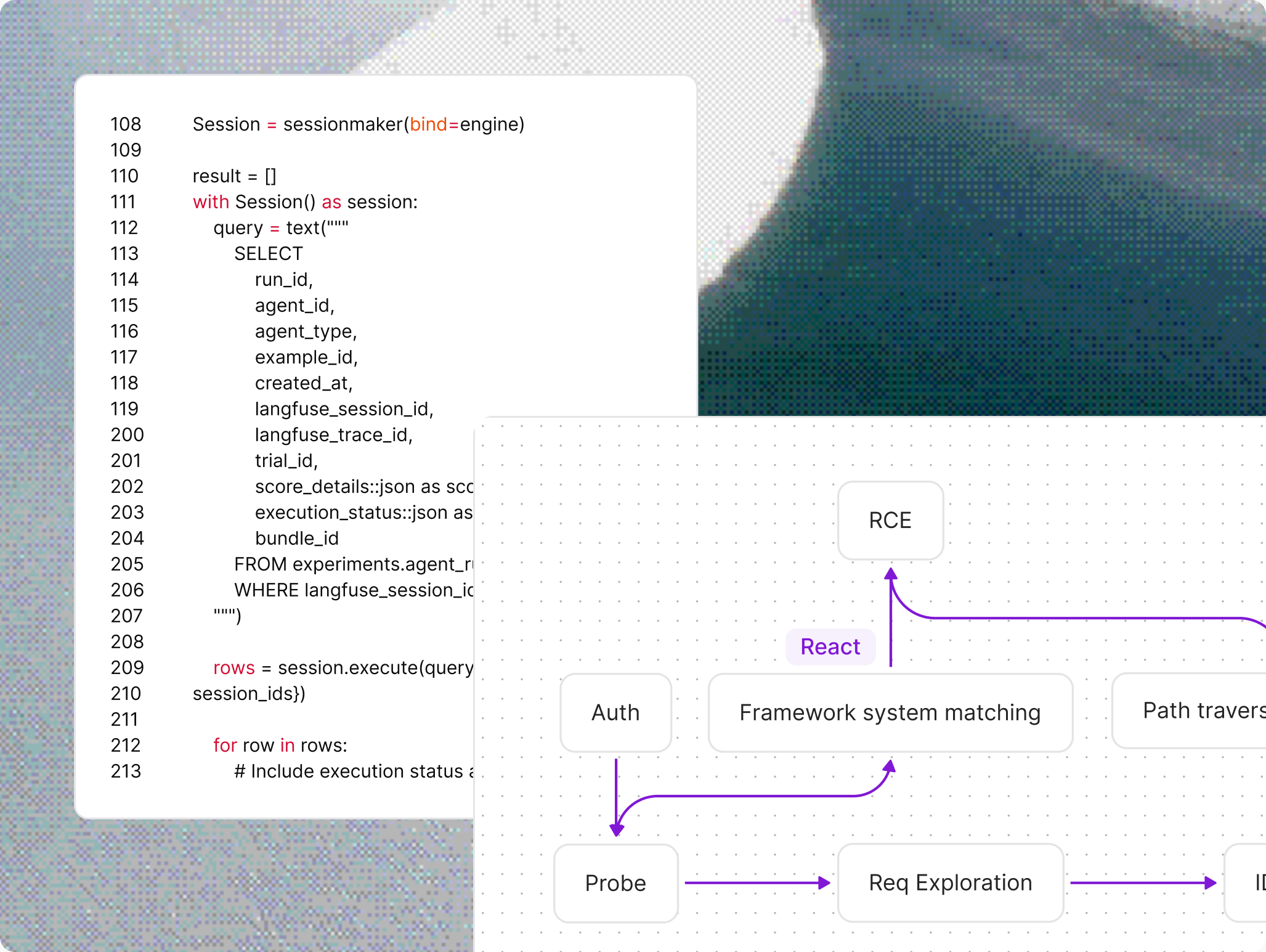
Run Ajar inside your own VPC or ephemeral isolated containers connected to your organization's approved cloud model endpoints (AWS Bedrock, Vertex AI, Azure OpenAI, or self-hosted models). Source code stays transient, isolated, and is never used for model training.
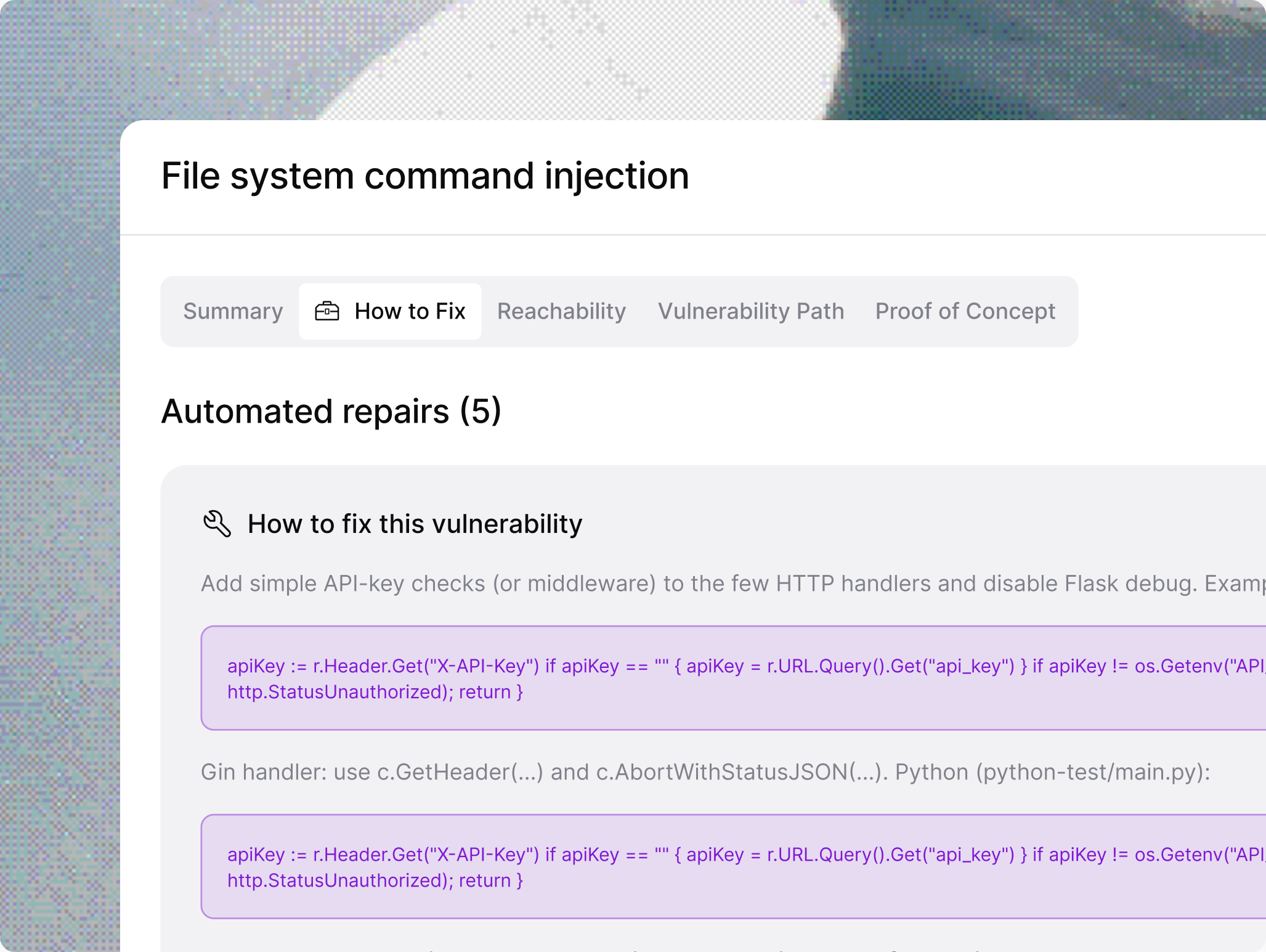
Every confirmed finding includes a reproducible proof of concept, root-cause trace, minimal fix diff where a code change applies, and post-patch verification record — structured to support internal audit, regulators, and continuous readiness alongside mandatory independent annual penetration tests.
Start safely on one or two non-production repositories or critical APIs. Judge Ajar strictly on real verified vulnerabilities and clean fix PRs before expanding scope.
Deploy inside your cloud region (including South America / São Paulo) using customer-controlled keys, no persistent source storage, and strict network boundaries.
Produces structured technical reports, executive summaries, and multi-year remediation records that support regulatory frameworks (PCI DSS, DORA, FFIEC, and regional banking rules such as Brazil's CMN 4.893 / 5.274, BCB 85 / 538, and LGPD) alongside your mandated independent auditors.
Integrates with GitHub Enterprise, GitLab, Azure DevOps, Slack, Jira, CLI, and MCP. Ajar never merges code or touches production without explicit human approval.
Find exploitable vulnerabilities across business logic, permissions, and cross-service flows, reproduce them in a sandbox, and open tested fix pull requests.
Cuts through noisy pattern-matching SAST alerts with verified exploits and ready-to-review fix PRs inside GitHub, GitLab, Azure DevOps, Slack, CLI, and MCP.
Scoped, researcher-signed reviews before major releases, production launches, payment or core banking upgrades, or enterprise due diligence. Every finding is reproduced before reporting.
Combines Ajar's autonomous deep code investigation with an accountable human security engineer who reviews every finding, signs the report, and re-checks fixes.
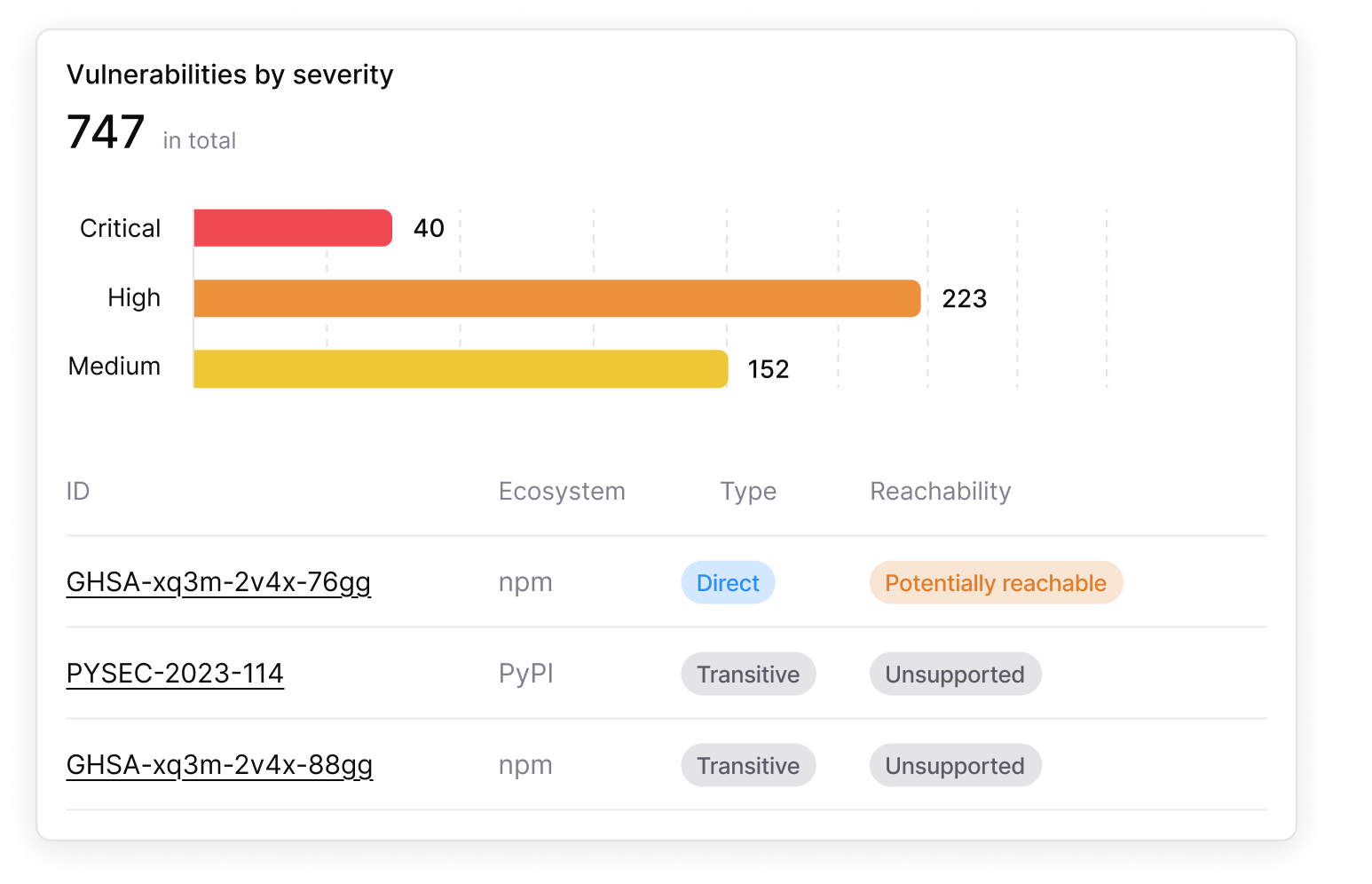
Filter noisy lockfile alerts down to reachable vulnerabilities, audit risky third-party updates, harden CI/CD pipelines, and verify deployed builds against reviewed commits.
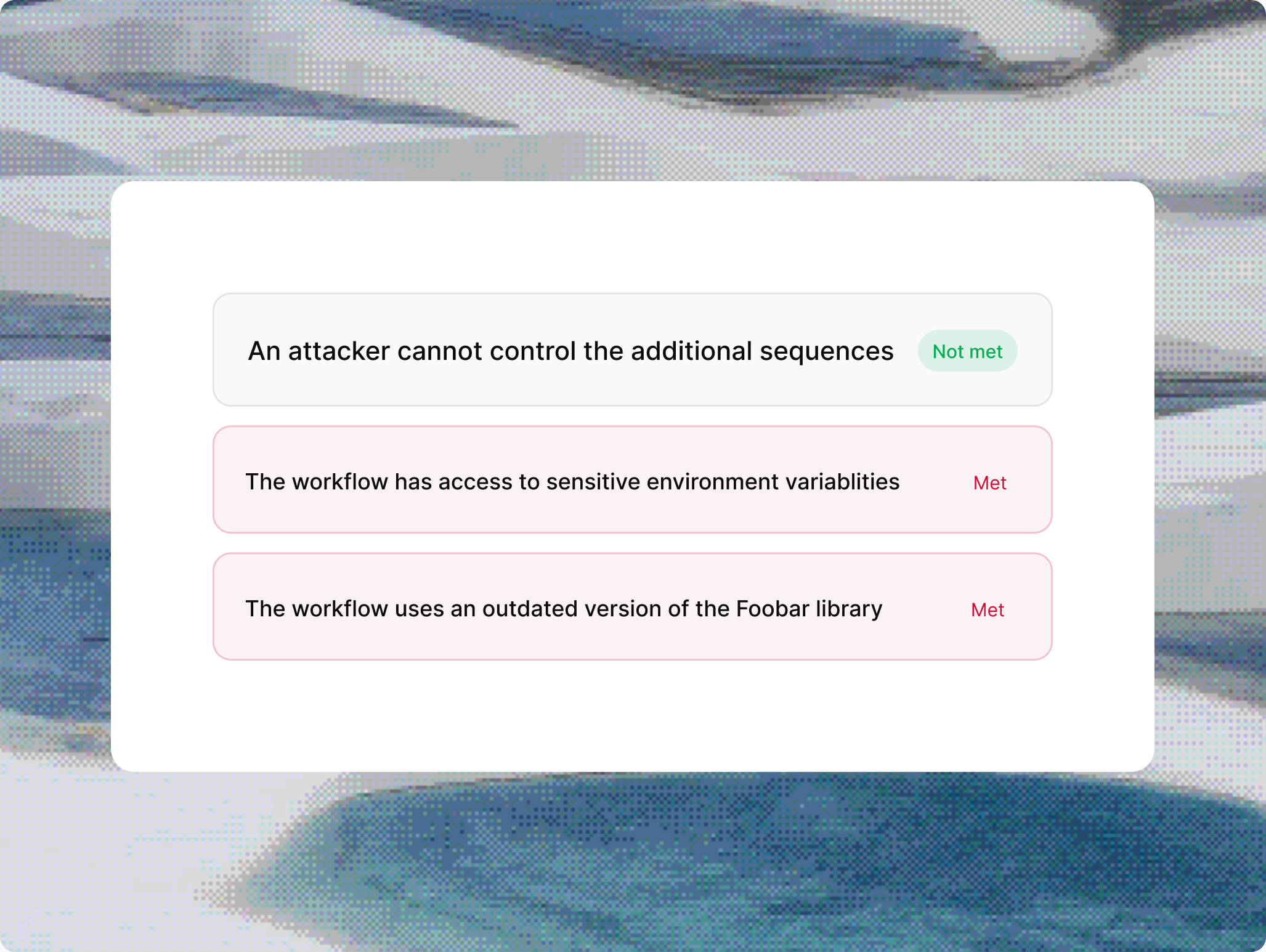
Checks whether vulnerable dependencies are actually called on sensitive paths, locks down untrusted workflow steps, and opens ready-to-merge version-pin or pipeline fix PRs.